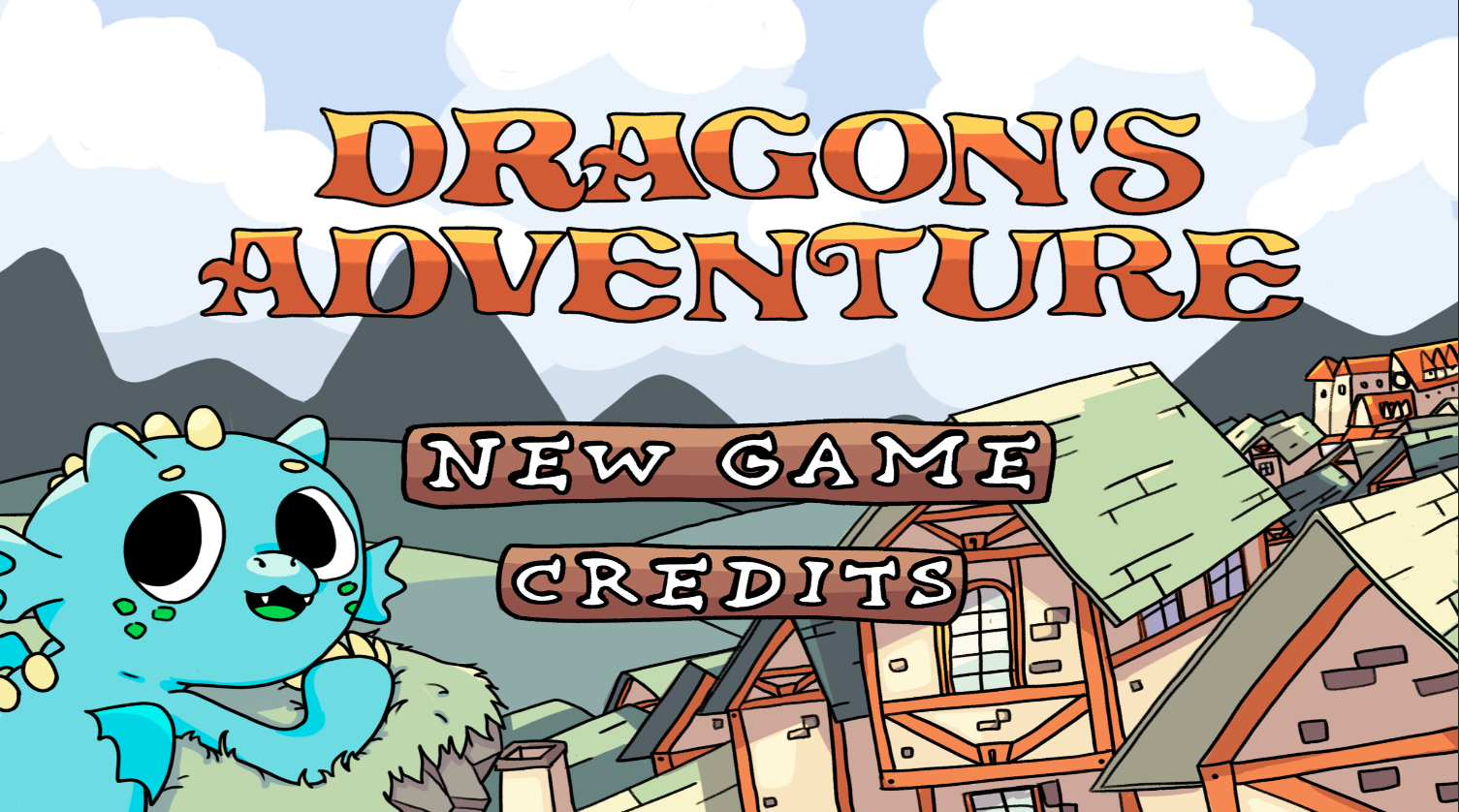
During the pandemic, Dr. John Gibbons, a University of Kansas Computer Science professor, approached my capstone class lamenting that wholesome computer games for his young child were almost non-existent. I was eager to take on the project with my team. My roles were primarily doing user research and writing the code for the “kingdom” area of the game. The users we interfaced with were the parents of young children six and under, including Dr. Gibbons. I researched example computer games from the early 2000s, as well as currently available computer games marketed for children, and came up with questions to determine the most important pain points with the existing games.
I determined that the largest issues with the existing games were pacing, the reading level required, and getting “stuck” by in-game challenges that were too difficult, or by paywalls. These led to actionable takeaways including:
After Dragon’s Adventure was completed, Dr. Gibbons’ daughter was able to successfully playtest the game, and the success of the game led to the creation of a new elective course at the University of Kansas.
If I could redo the project with more time, I would create prototypes for important areas of the game and observe how preschool children interact with the prototypes.
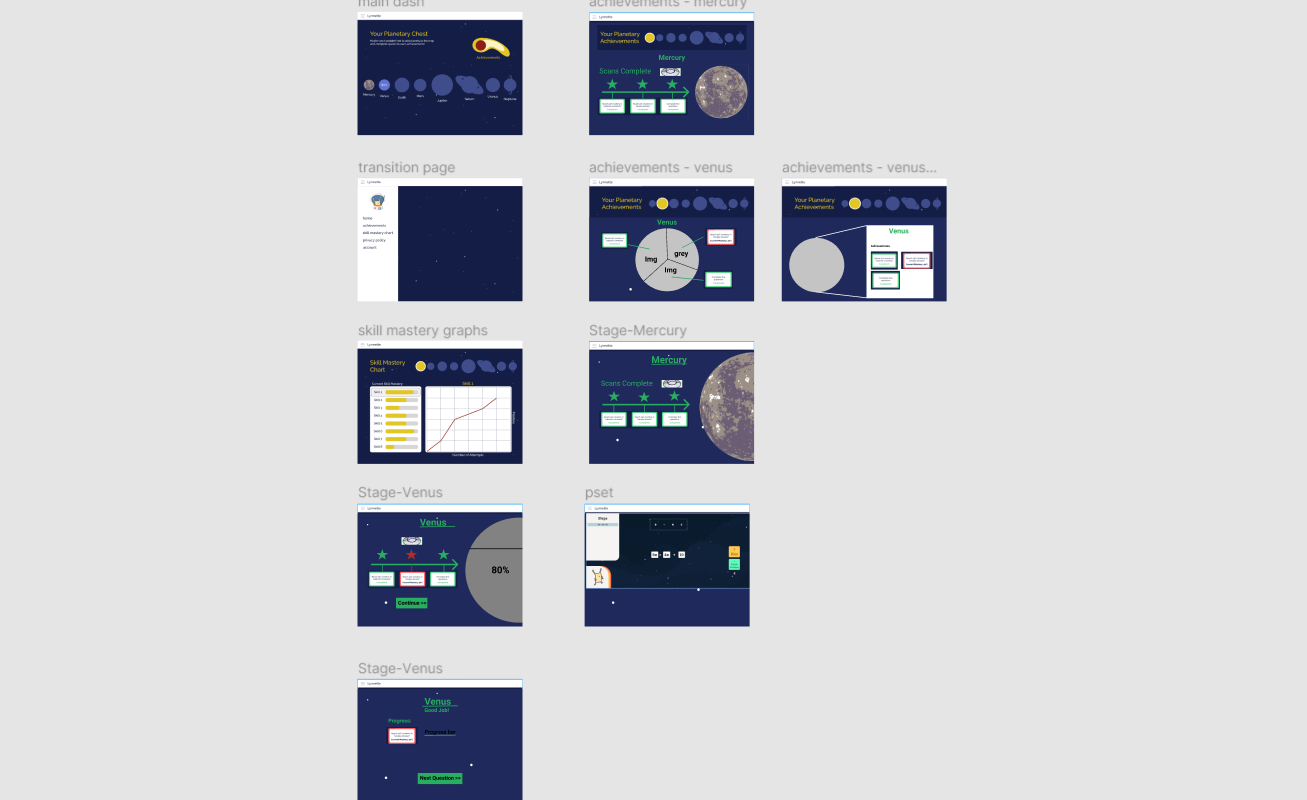
During my summer as a Human-Computer Interaction Researcher at Carnegie Mellon University, I was tasked with designing and testing the Lynnette Dashboard, an algebra learning tool aimed at middle school students. The goal was to create a dashboard that was engaging and effective for this specific age group.
My process involved first developing a mid-fidelity prototype of the dashboard. I then conducted user interviews and usability tests directly with middle school students to gather feedback on the design. Incorporating these findings, I built a final high-fidelity prototype in Figma which was later used for further research.
The project culminated in a working high-fidelity prototype of the Lynnette Dashboard and a presentation of the user research findings to the Human-Computer Interaction Institute.
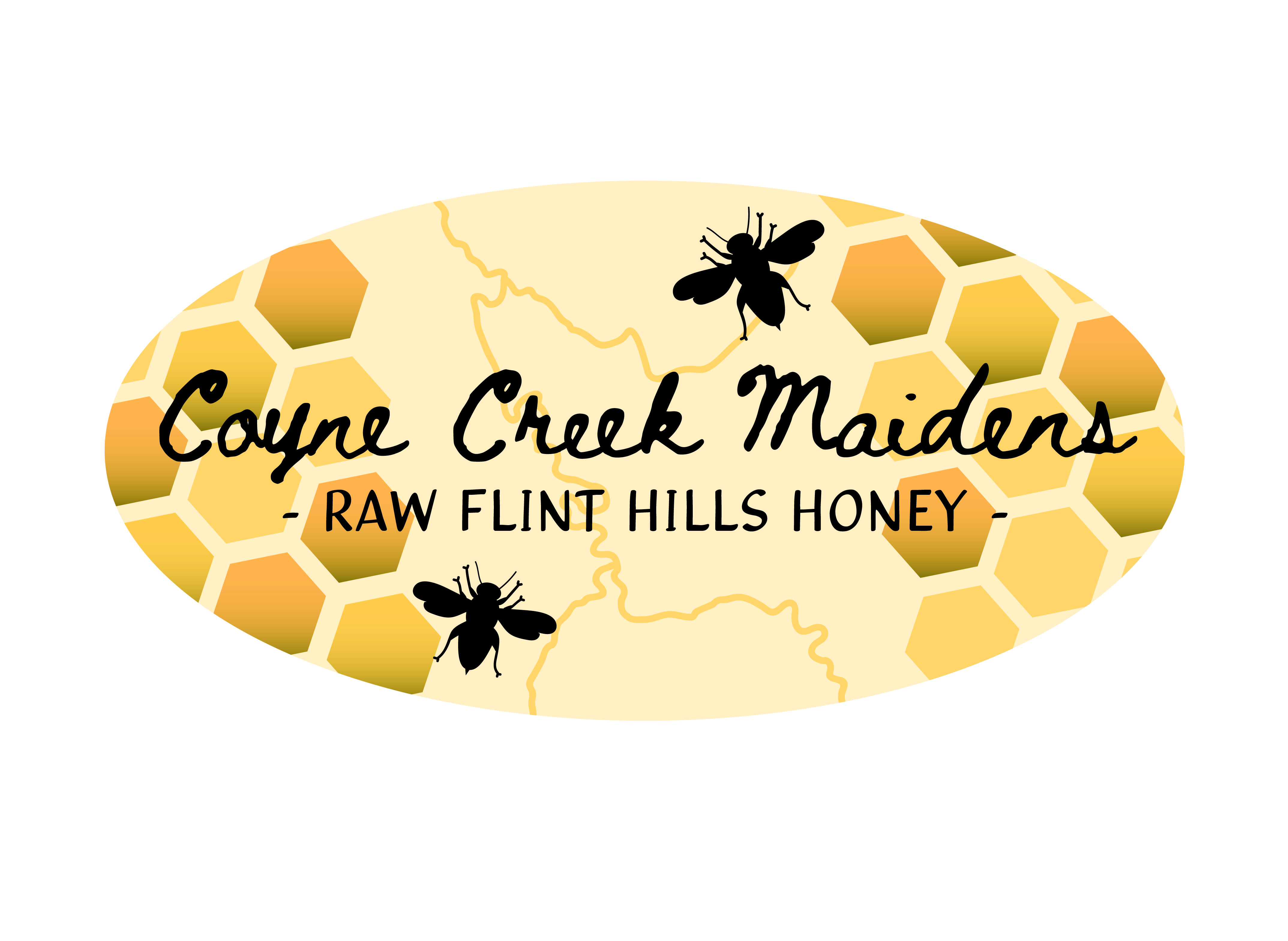
Designed a rustic honey jar label for a local Kansas beekeeper, incorporating Coyne Creek as requested. I had a good amount of creative freedom with this project.